Where is Tibet?
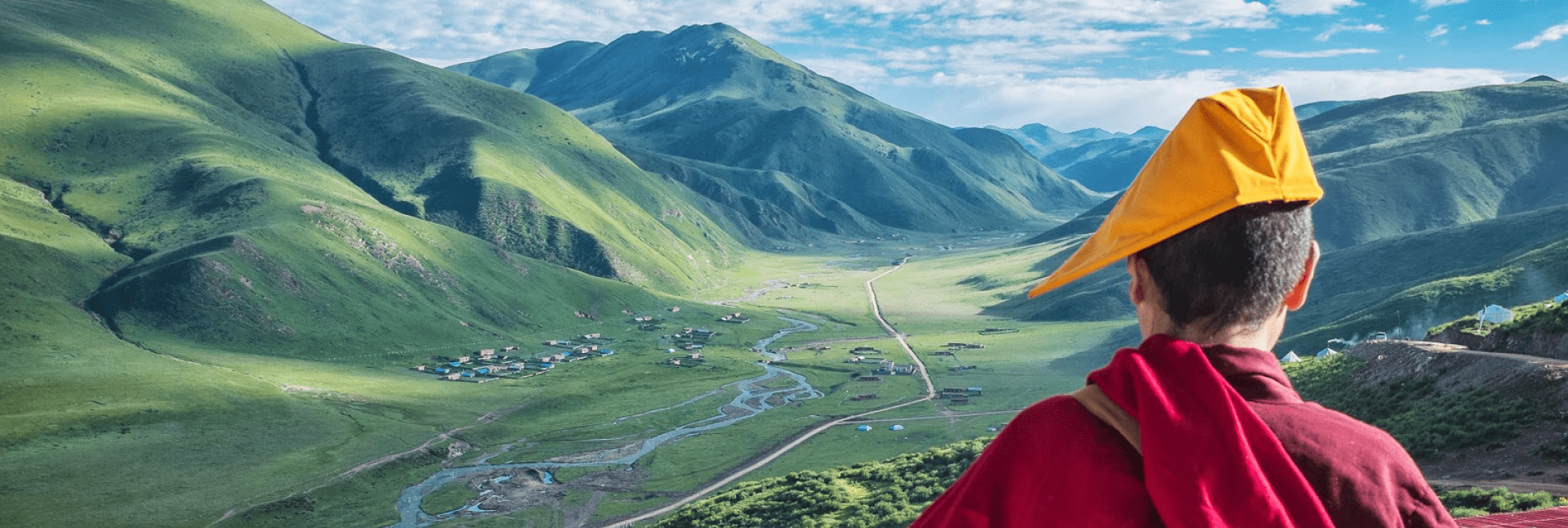
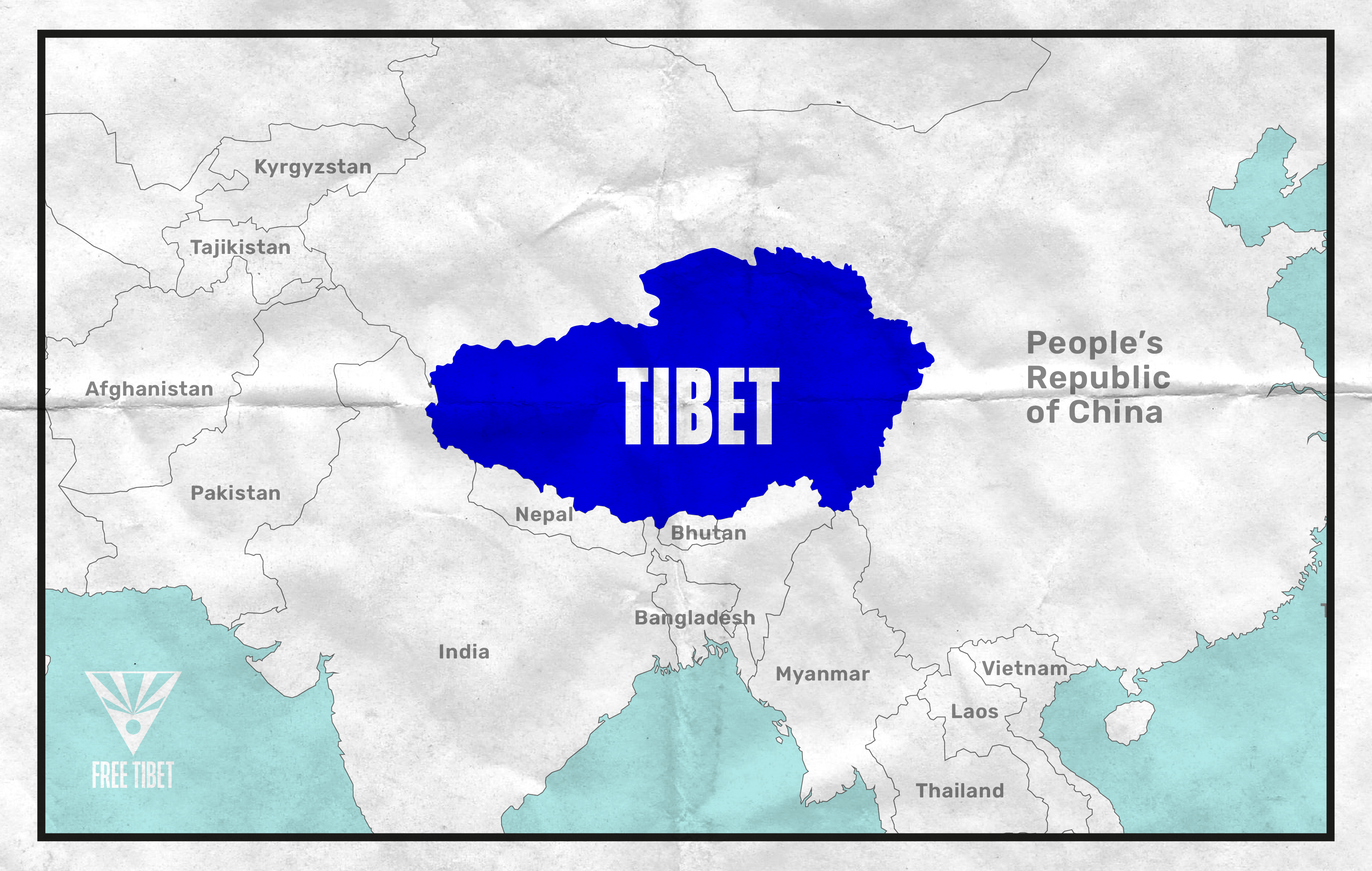
Tibet is a country high in the Himalayan mountains. By land mass, it should be the world’s 10th largest nation.

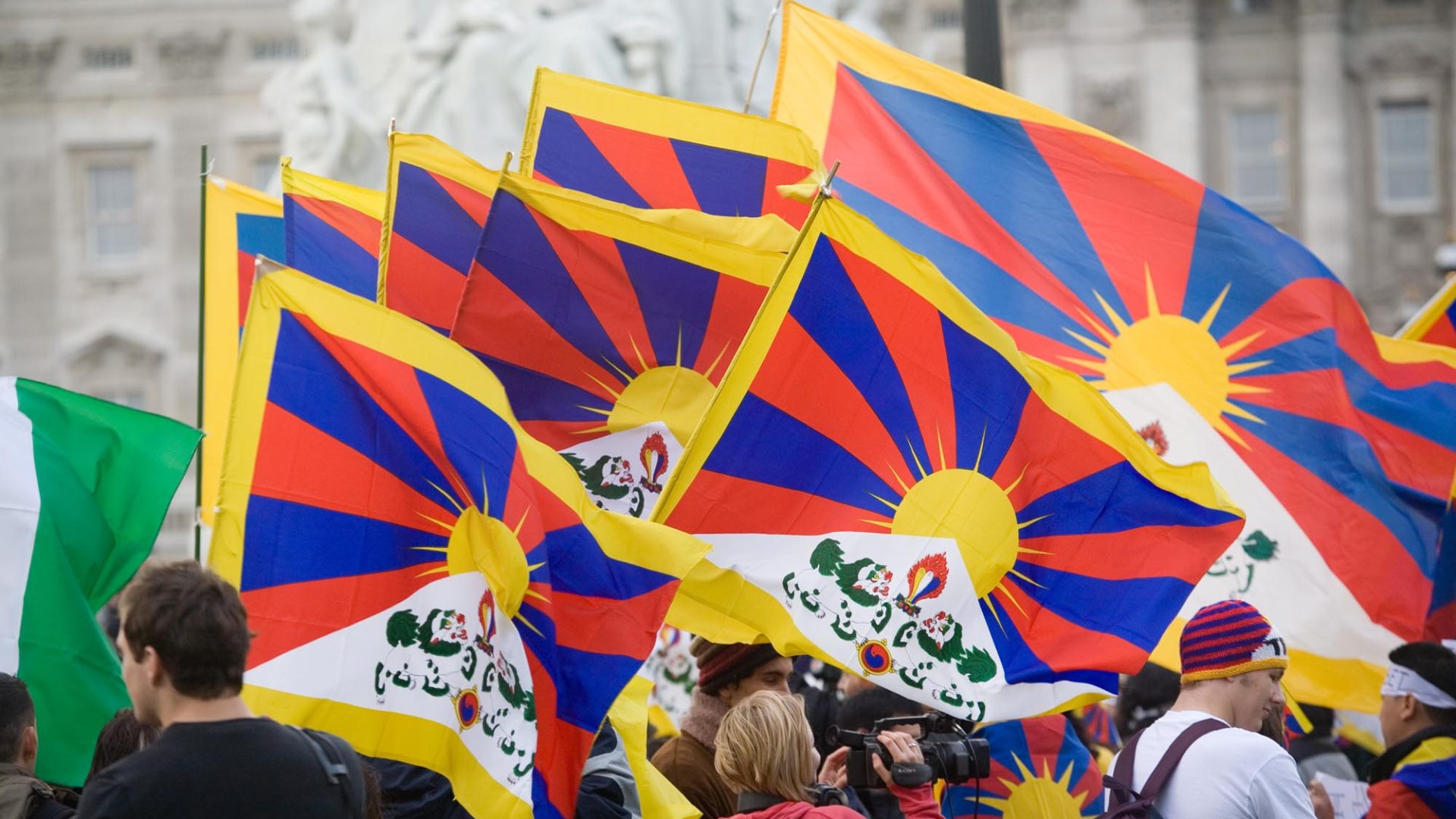
China invaded Tibet in 1950. Inside its borders and across the world, Tibetans have never stopped believing Tibet is a nation.
After more than 70 years of occupation, Tibetans still resist China’s rule and defy its oppression.
"Tibetan[s] are denied fundamental rights, but the authorities are especially rigorous in suppressing any signs of dissent among Tibetans, including manifestations of Tibetan religious beliefs and cultural identity."– Freedom in the World Report by Freedom House, 2021
Tibet is a country high in the Himalayan mountains. By land mass, it should be the world’s 10th largest nation.
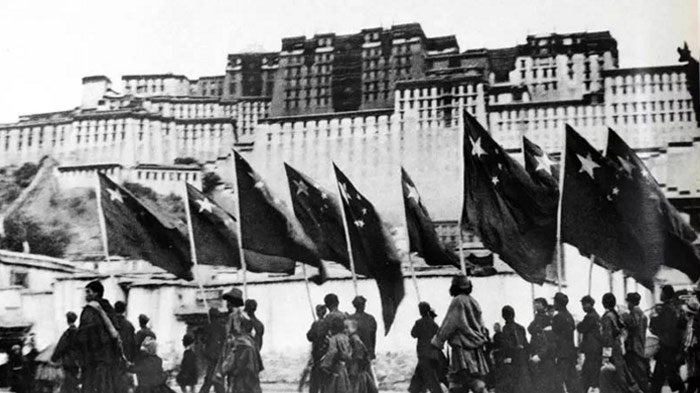
In 1950, China invaded its neighbour and seized control by force. Tibetans have lived under China’s military rule ever since.
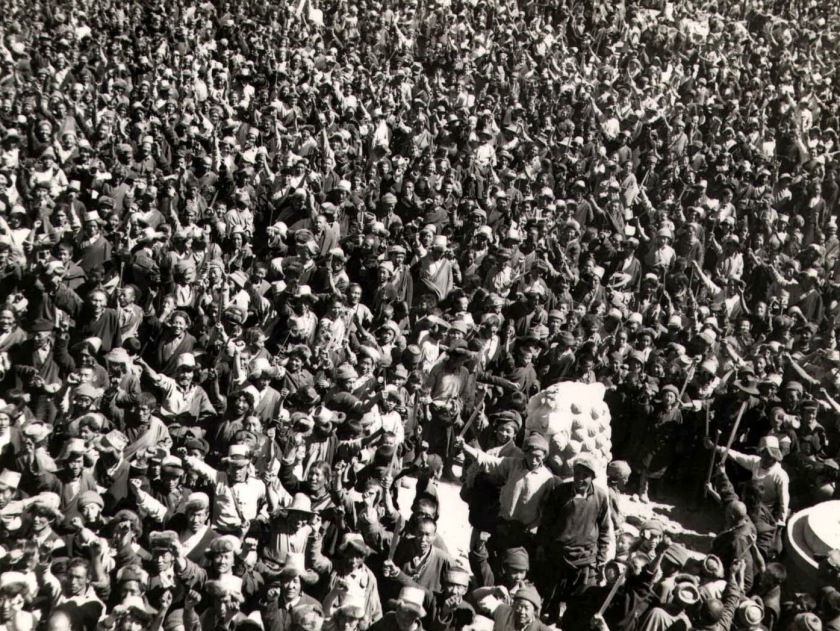
Tibetans attempted to take back their country in an enormous uprising in March of 1959. The protests were crushed with brutal force.
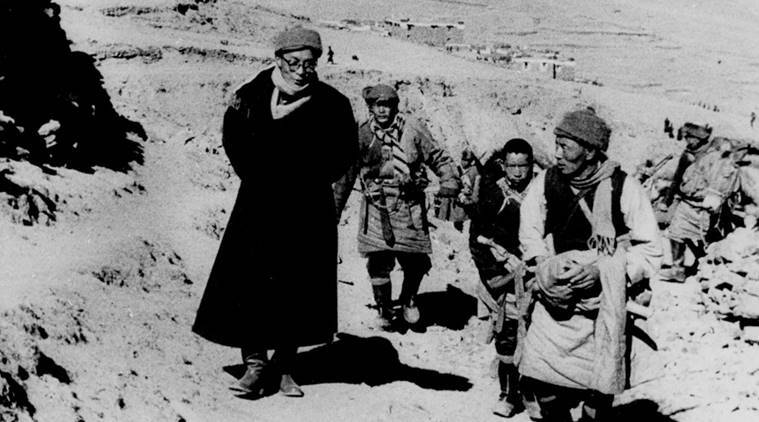
Fearing for his safety, the Tibetans' young leader, the Dalai Lama, was forced to flee across the mountains to India, where he still lives in exile today.
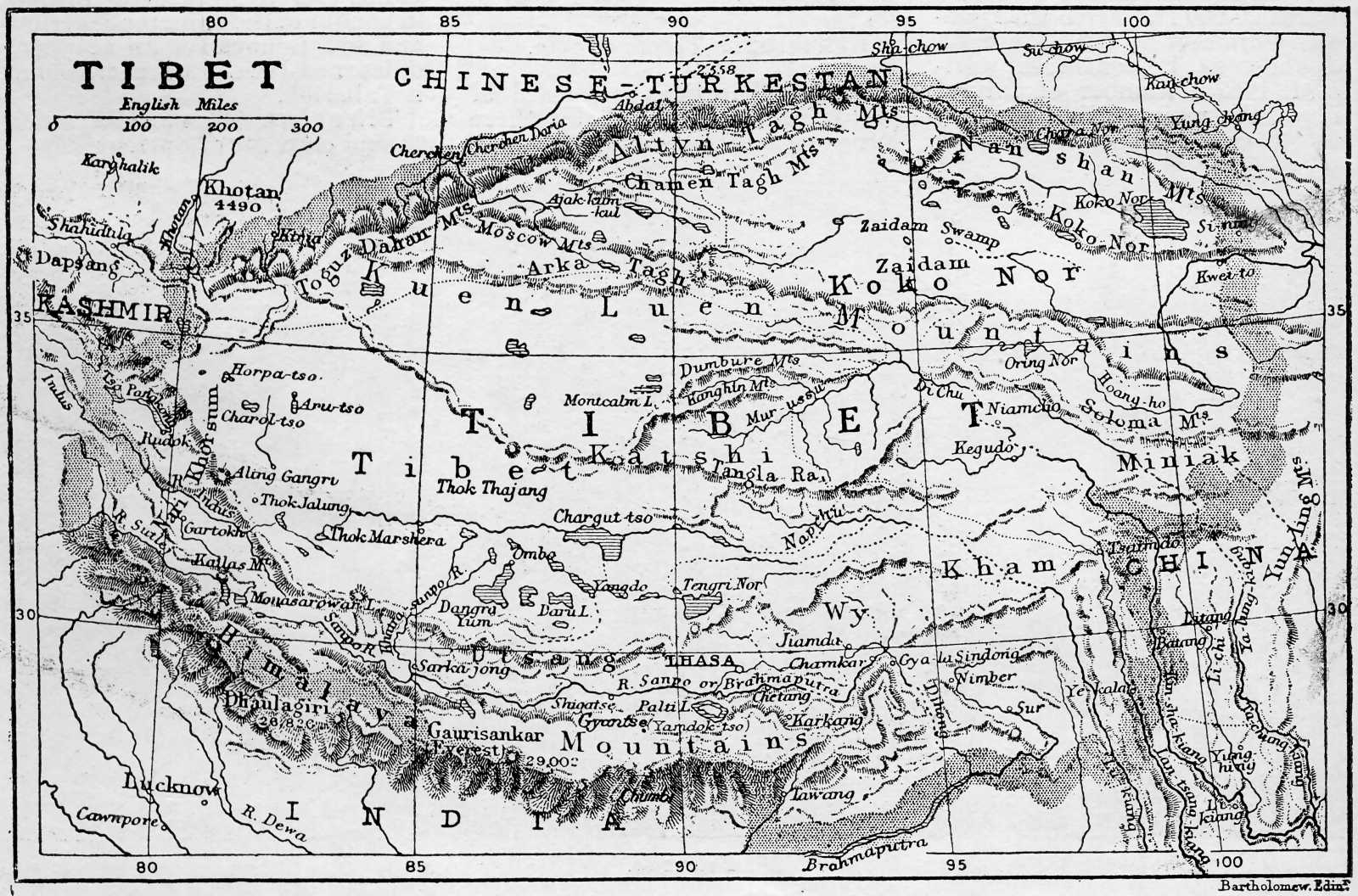
Tibet was divided up, renamed and incorporated into Chinese provinces. The largest of these is the so-called “Tibet Autonomous Region” or TAR.
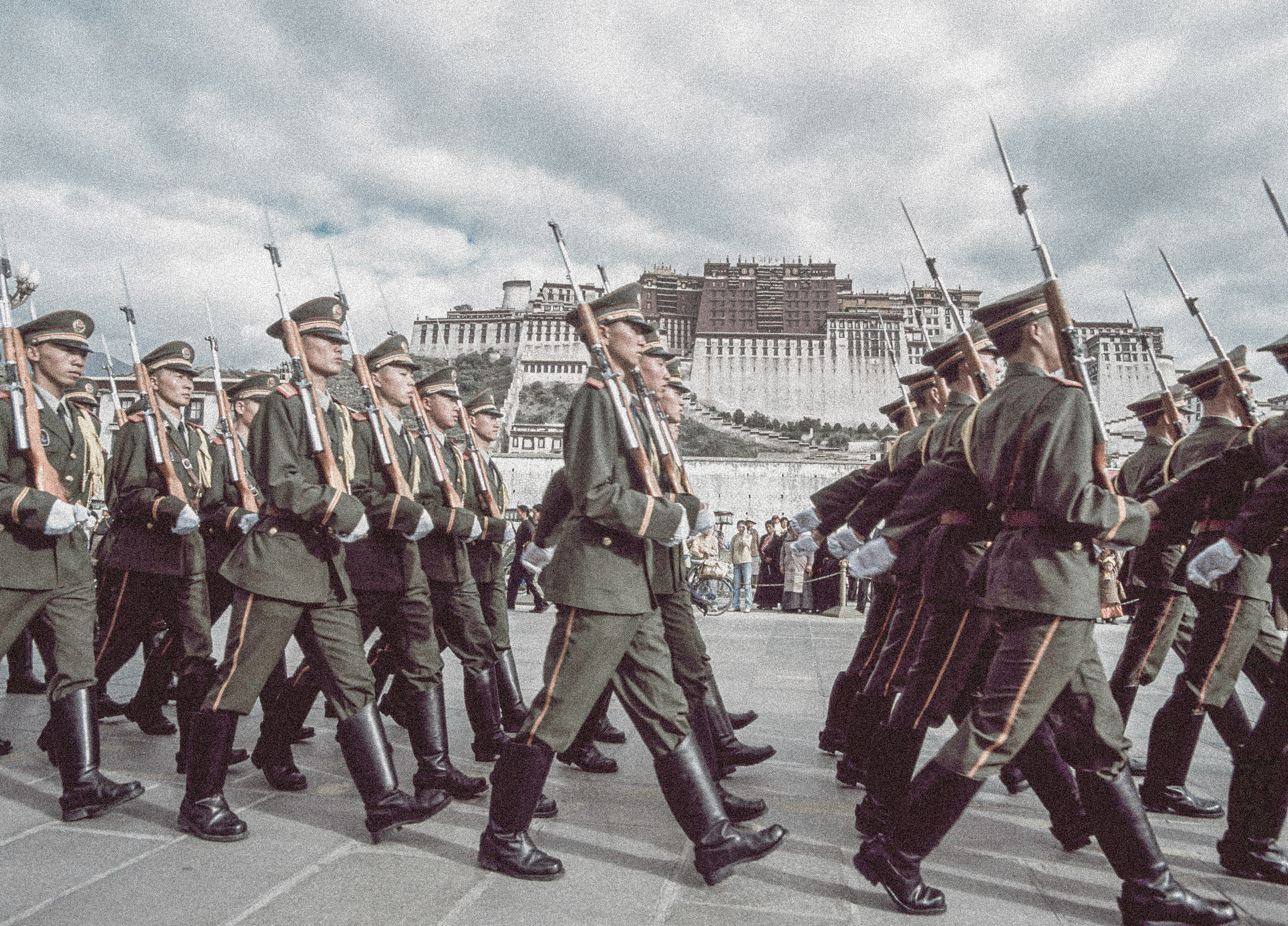
Despite its name, the TAR is anything but autonomous. China rules with an iron fist, and Tibet is ranked amongst the “worst of the worst” for human rights violations.
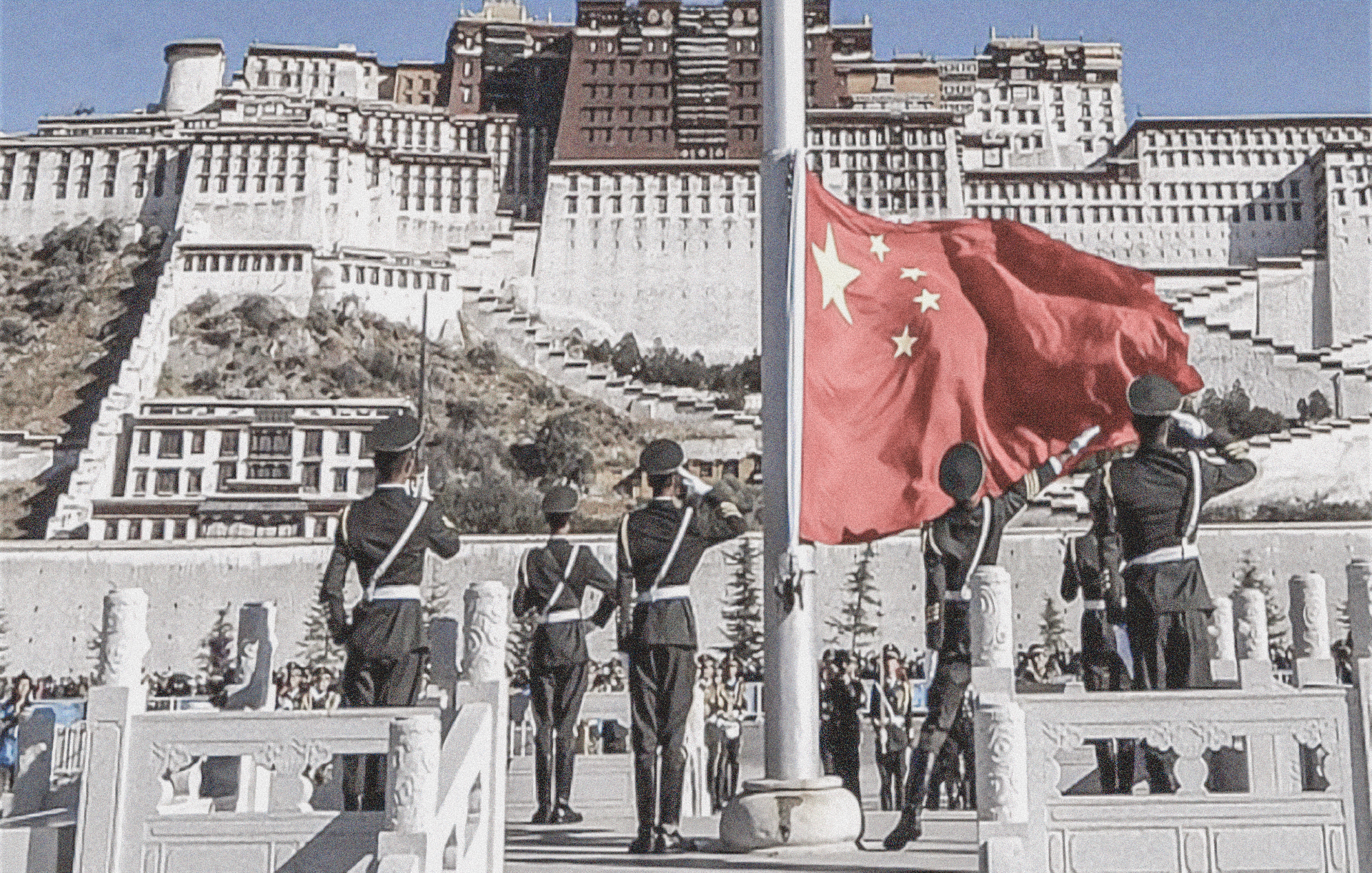
China continues to insist that Tibetans are happy and prosperous, but won’t allow journalists, tourists or diplomats to see for themselves.
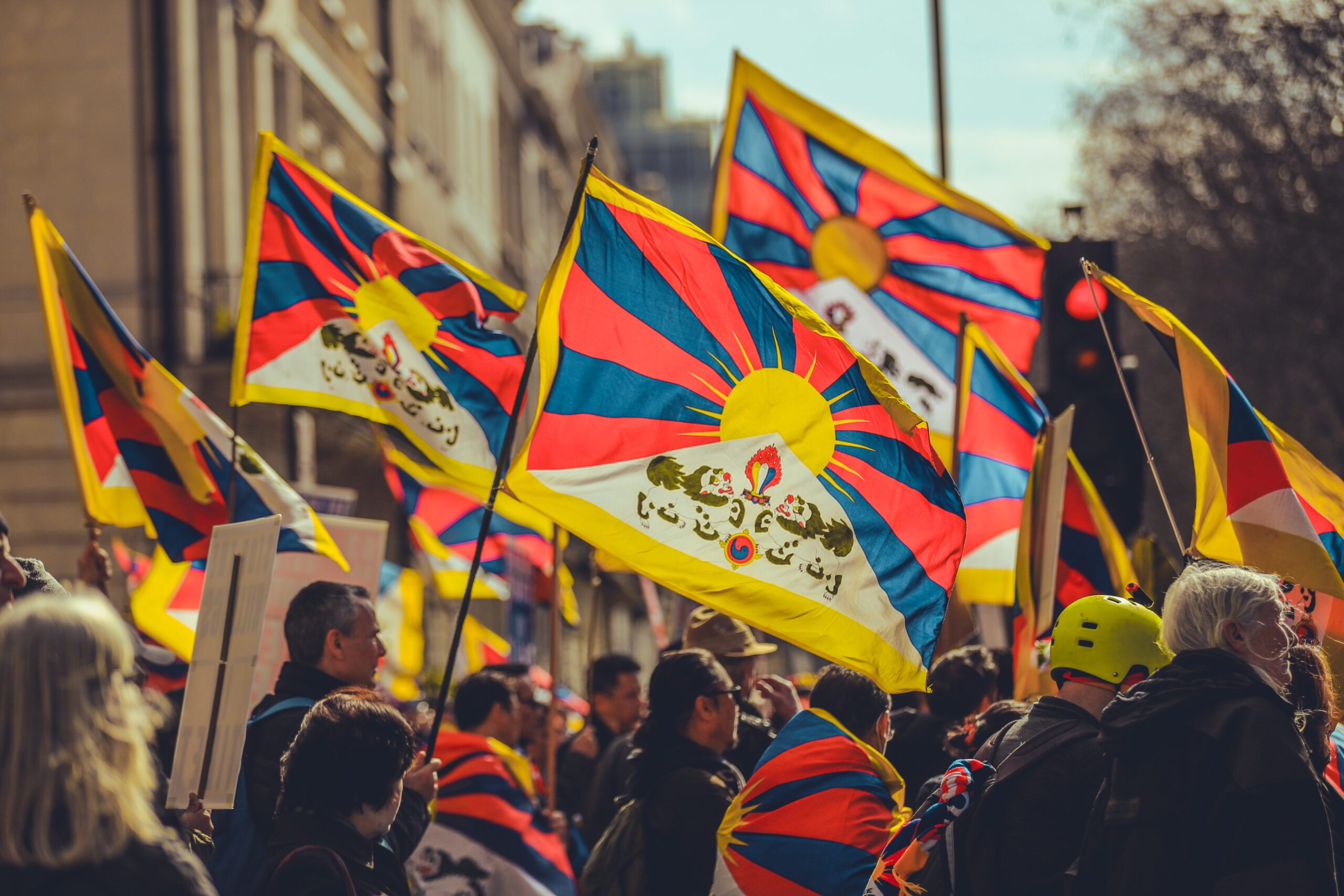
More than 100 countries have achieved independence in the time that Tibet has been occupied.
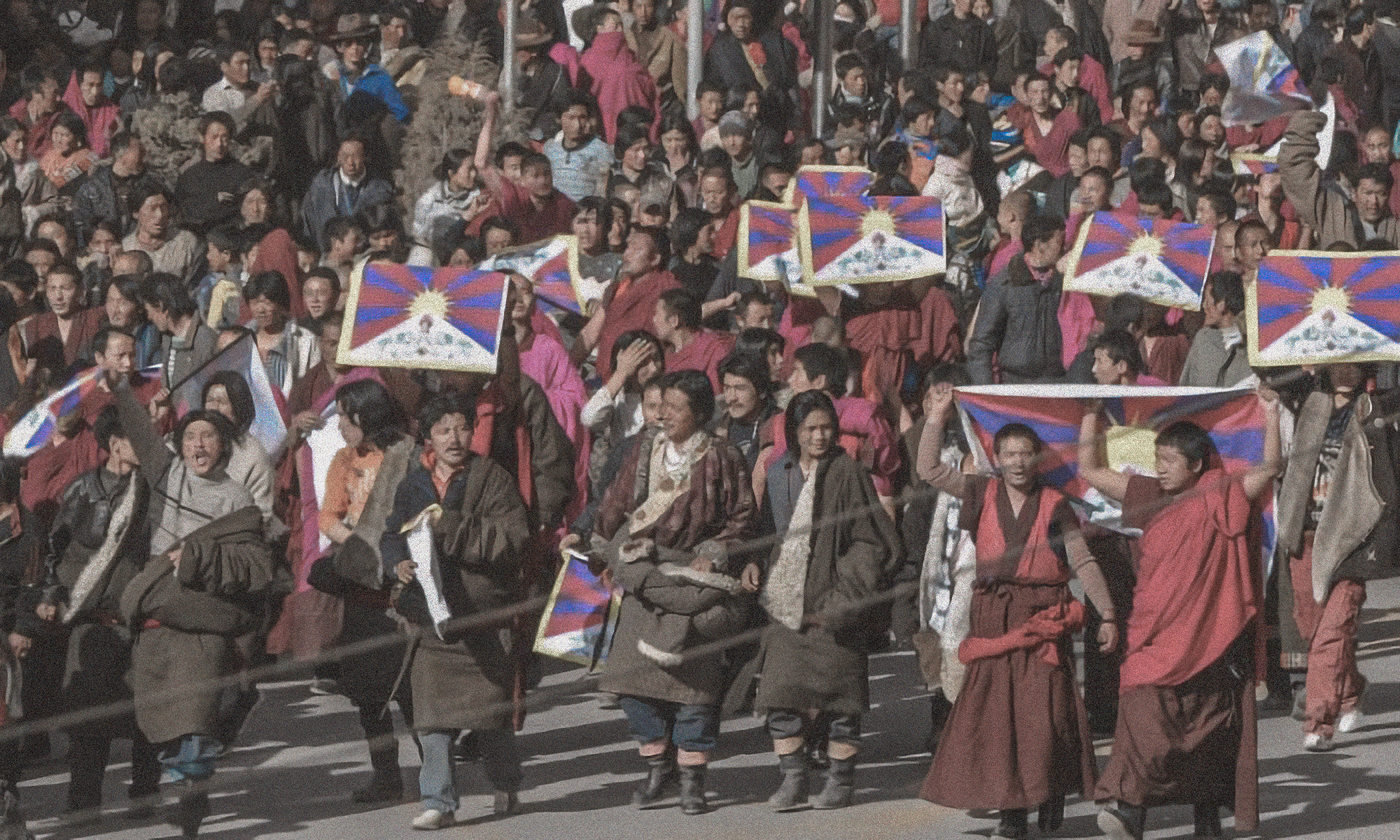
Tibetans have never stopped resisting the destruction of their culture and way of life. Their protests continue to be guided by their Buddhist faith and its non-violent principles.
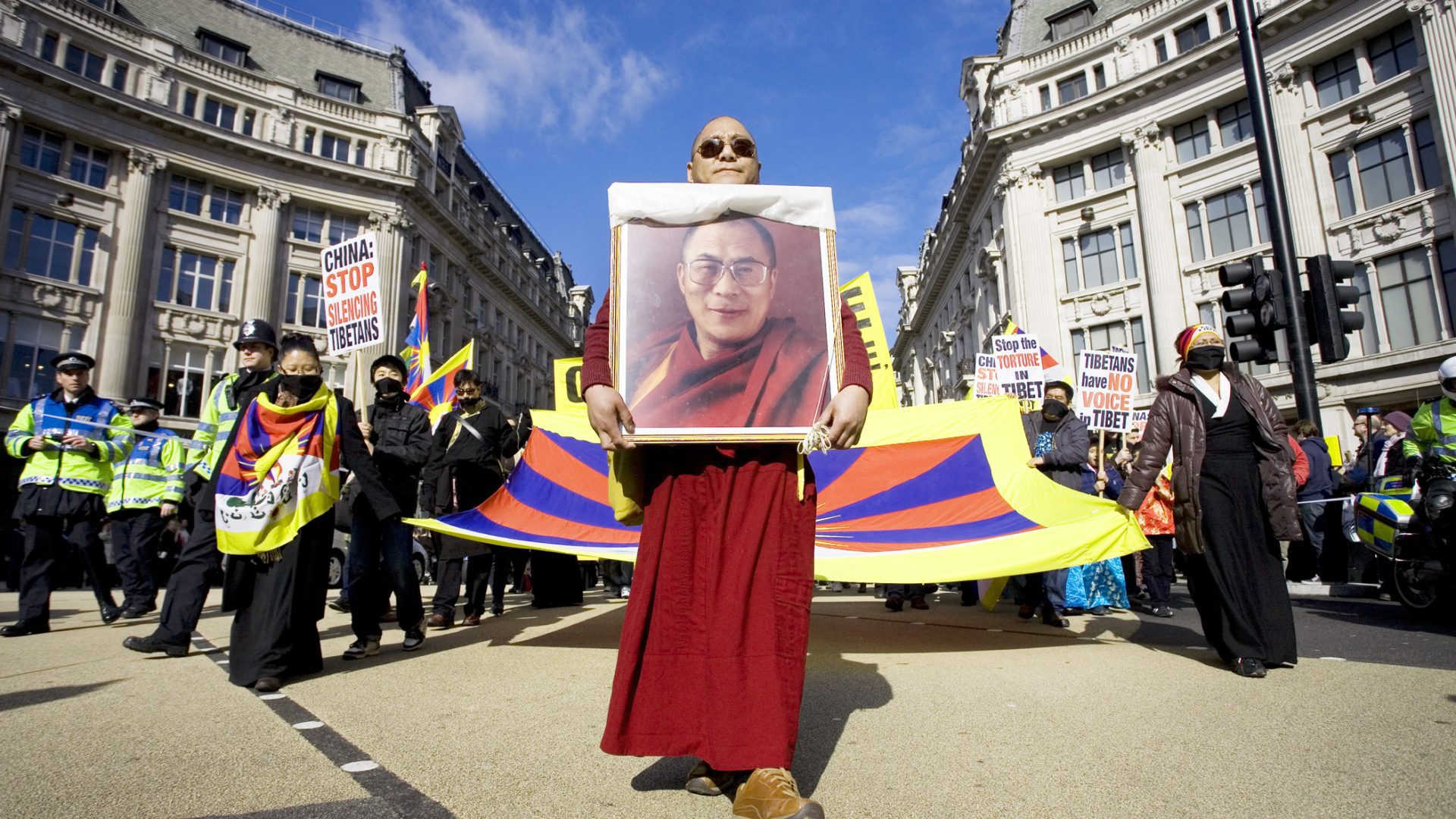
Tibetans are among the world’s most oppressed peoples. China is the fastest-growing economic superpower. This is not a fair fight. That is why we need your compassion, your courage and your support. Only together will we be able to hold China accountable for its crimes, and free Tibet.