For the last six years in a row, US think-tank Freedom House has ranked Tibet among the worst places in the world for civil rights and political freedom.
Under the Chinese Communist Party, nobody is free. Tibetans nevertheless have fewer civil and political rights than most. From the mass police surveillance of Lhasa’s busy streets to the torture that takes place in Tibet’s hidden detention centres, every day the Chinese government subjects Tibetans to suffocating control and the use of violence.
Every aspect of Tibetan life is under siege. Dissent, protest, or even wishing the Dalai Lama a happy birthday or having a Tibetan flag on your phone will turn you into a criminal. Tibetans have to censor themselves to avoid imprisonment.
Here are just some of the challenges faced by Tibetans as a result of China’s occupation:
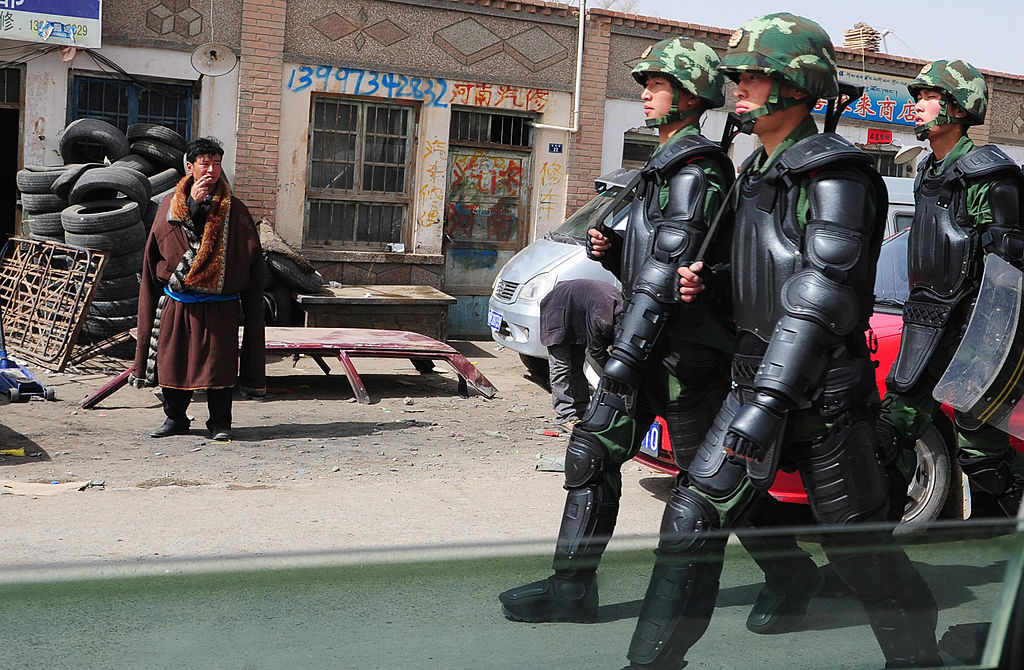
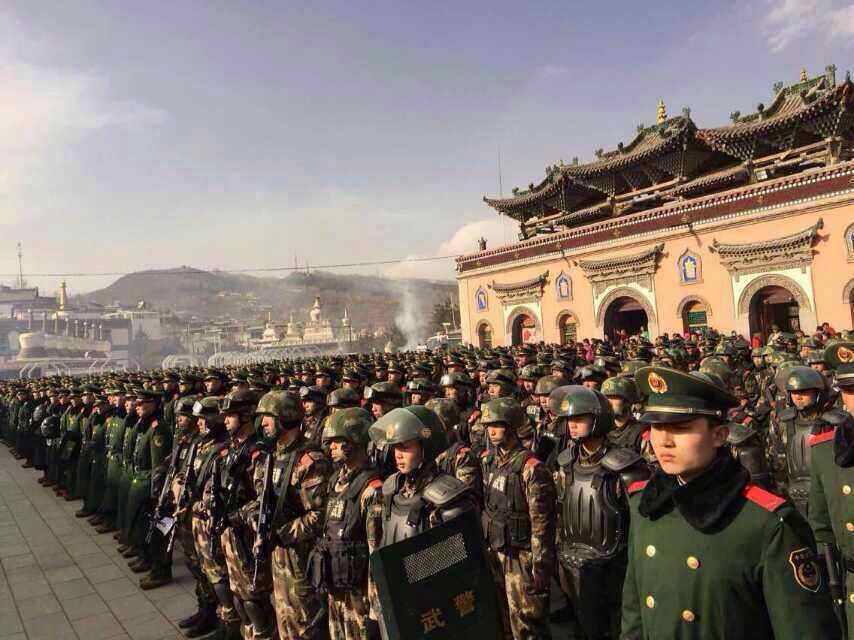
A Tibetan man watches as Chinese paramilitary troops march along the streets of Guomaying, eastern Tibet in 2009. (Photo: Frederic J. Brown/AFP)
Political Oppression and Violence
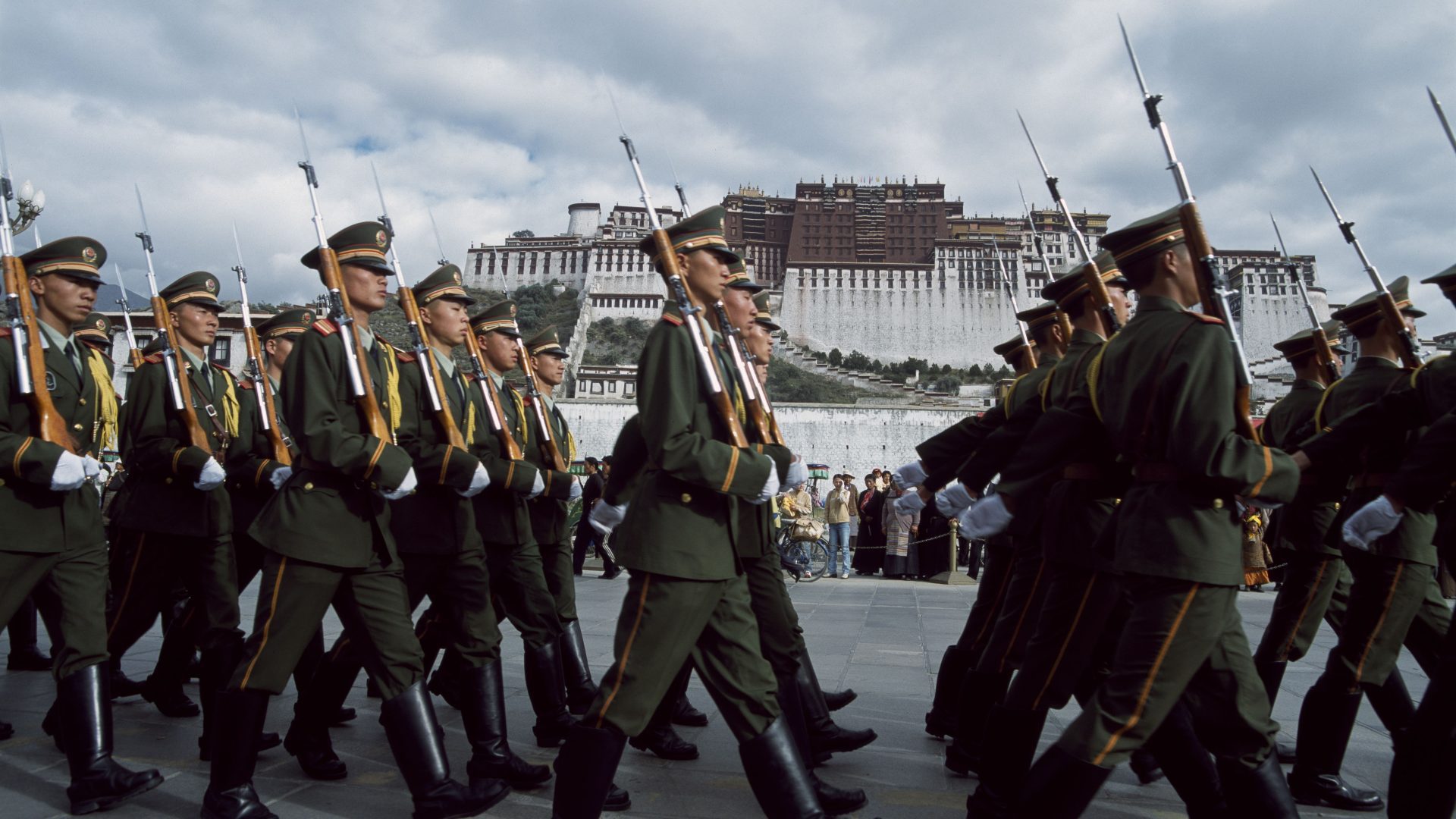
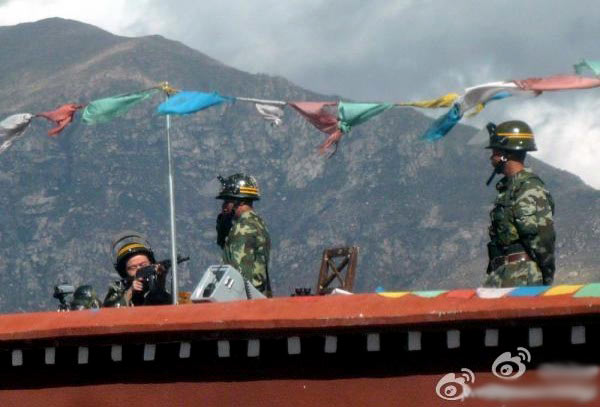
Tibetans face intense surveillance in their daily lives, with security cameras, police checkpoints and party officials monitoring their movements and activities.
Peaceful protests are suppressed with severe violence. Protesters are imprisoned, tortured and may even be shot.
China has repeatedly violated UN conventions through extensive use of torture against Tibetan political prisoners.
Prisons in Tibet are full of people detained for simply expressing their desire for freedom. They are arrested and convicted for peaceful acts, such as waving the Tibetan flag, calling for the return of the Dalai Lama and sending information about events in Tibet abroad.
Many Tibetans are imprisoned on unclear or unspecified charges, their families not informed of their whereabouts. They are denied access to proper legal support and face trials that do not respect international standards of justice.
Tibetans charged with “separatism” (acts intended to divide or damage the Chinese state) can face sentences up to and including the death penalty.
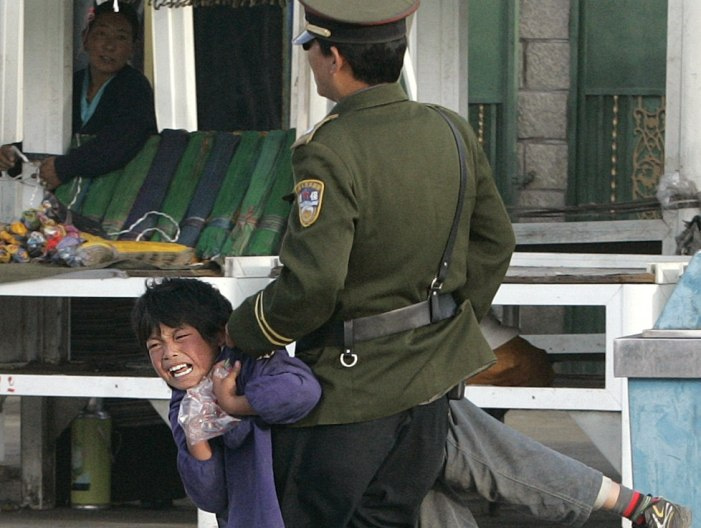
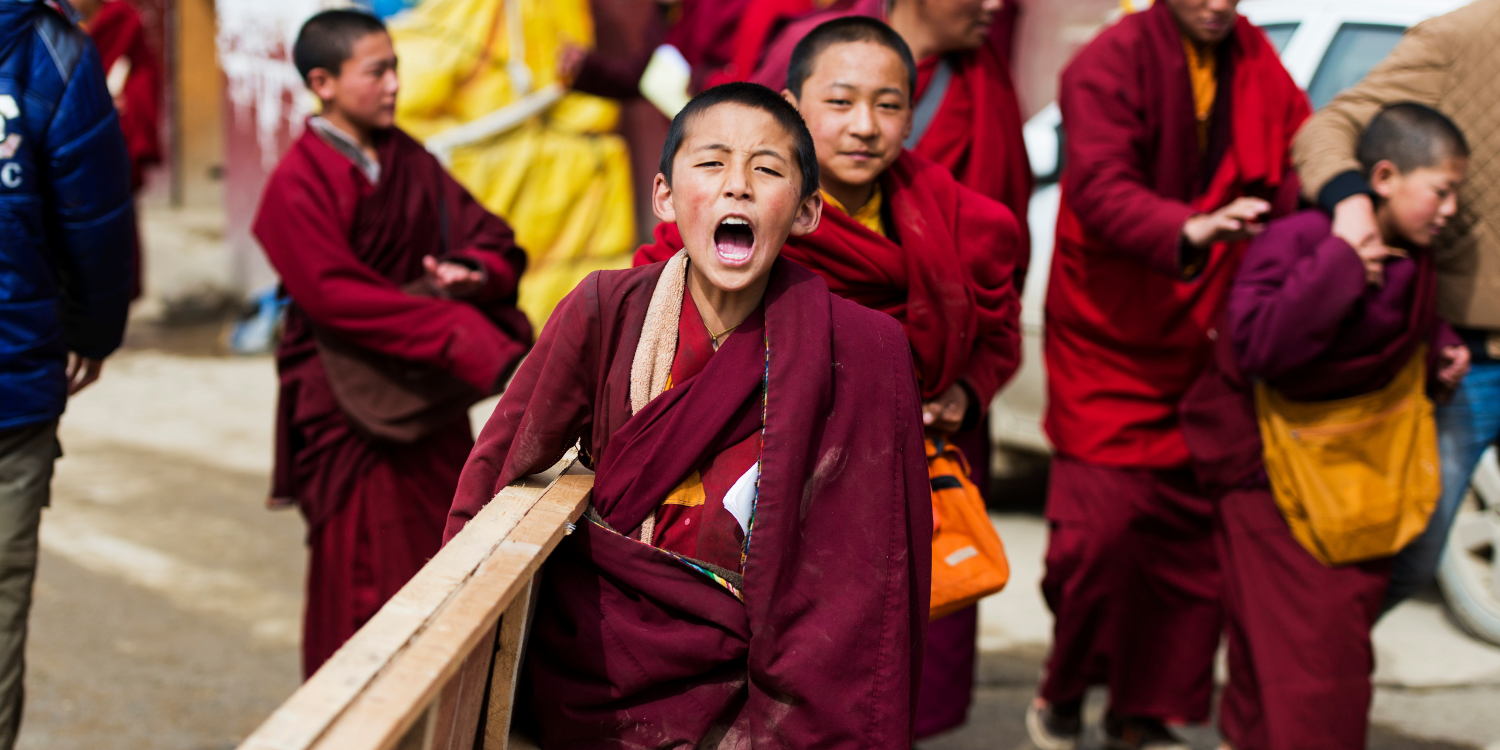
Even children face abuses of their freedom and human rights.
Cultural And Religious Suppression
The Tibetan flag and national anthem are banned.
Tibetan Buddhism is seen as a threat to the occupying Chinese state and is tightly regulated, with Chinese officials closely monitoring and controlling religious activity at monasteries and nunneries.
The CCP has attempted to erase the Dalai Lama from Tibet. Possessing pictures of the Dalai Lama or mentioning him in public can result in imprisonment and torture.
Thousands of monks, nuns and students have been forcibly evicted from their residences in communities such as Larung Gar and Yarchen Gar and thousands of homes demolished.
Writers, singers, artists and teachers are jailed for celebrating Tibetan national identity and for any criticism of China’s rule.
The Tibetan language is under threat; Chinese is the language of schooling and business, while Tibetan is restricted and marginalised.
Tibetan school children are also being denied classes in their mother tongue, and increasingly being taught in Chinese instead. Schools teaching in Tibetan are being forced to close.
Around 800,000-900,000 Tibetan children have been separated from their families and forced to undergo education in colonial boarding schools, where they are subject to indoctrination, an attempt by the CCP to eliminate Tibetans’ national identity.
Social and Economic Discrimination
Tibet is governed directly by the Chinese Communist Party in Beijing. In the Tibet Autonomous Region, no Tibetan has ever been appointed Party Secretary – the most senior government post.
China has incentivised Chinese migration into Tibet, making Tibetans a minority in many parts of their own country.
Thriving tourism, infrastructure and construction projects in Tibet primarily award jobs to Chinese migrants.
Travel for Tibetans is restricted, with police checkpoints monitoring movement and permits required to visit ‘sensitive’ religious areas.
Tibetans have no automatic right to a Chinese passport, making international travel difficult and often impossible. Tibetans who are caught trying to escape Tibet face brutality from the authorities.
“Getting a passport is harder for a Tibetan than getting into heaven. This is one of those ‘preferential policies’ given to us Tibetans by [China’s] central government.”
– Tibetan blogger, quoted by Human Rights Watch
Environmental Destruction
China is using Tibet’s rich natural resources – including gold, copper and water – to fuel its economic and industrial expansion.
Its exploitation disregards the needs and desires of local Tibetan communities, even as they cause pollution, kill livestock and destroy Tibet’s landscape.
Tibetans who protest against mining, damming and other resource extractions are routinely met with violence and repression by security forces.
China has used economic incentives and force to move over two million Tibetan nomads from the land they have lived off for generations into urban settlements. Without the skills to obtain work in an urban environment, nomads face poverty, unemployment and social exclusion.
Restricting Information
Reporters Without Borders ranked China 177 out of the 180 countries on its Press Freedom Index 2021. Professor Carole McGranahan has also stated that there are more foreign journalists in North Korea than Tibet.
China attempts to control the spread of information inside Tibet through strict monitoring and censorship over social media, email and telephone communications. Communications are often blacked out after protests and security incidents.
China also strictly controls the flow of information out of Tibet. Foreign journalists, human rights organisations and diplomats are rarely allowed entry into Tibet and, when they are, they are closely chaperoned by Chinese officials.
Tibetans who share information inside Tibet or attempt to send information outside Tibet face arrest and lengthy sentences.
Funding from foreign powers and international NGOs to local Tibetan NGOs are also restricted and evicted.
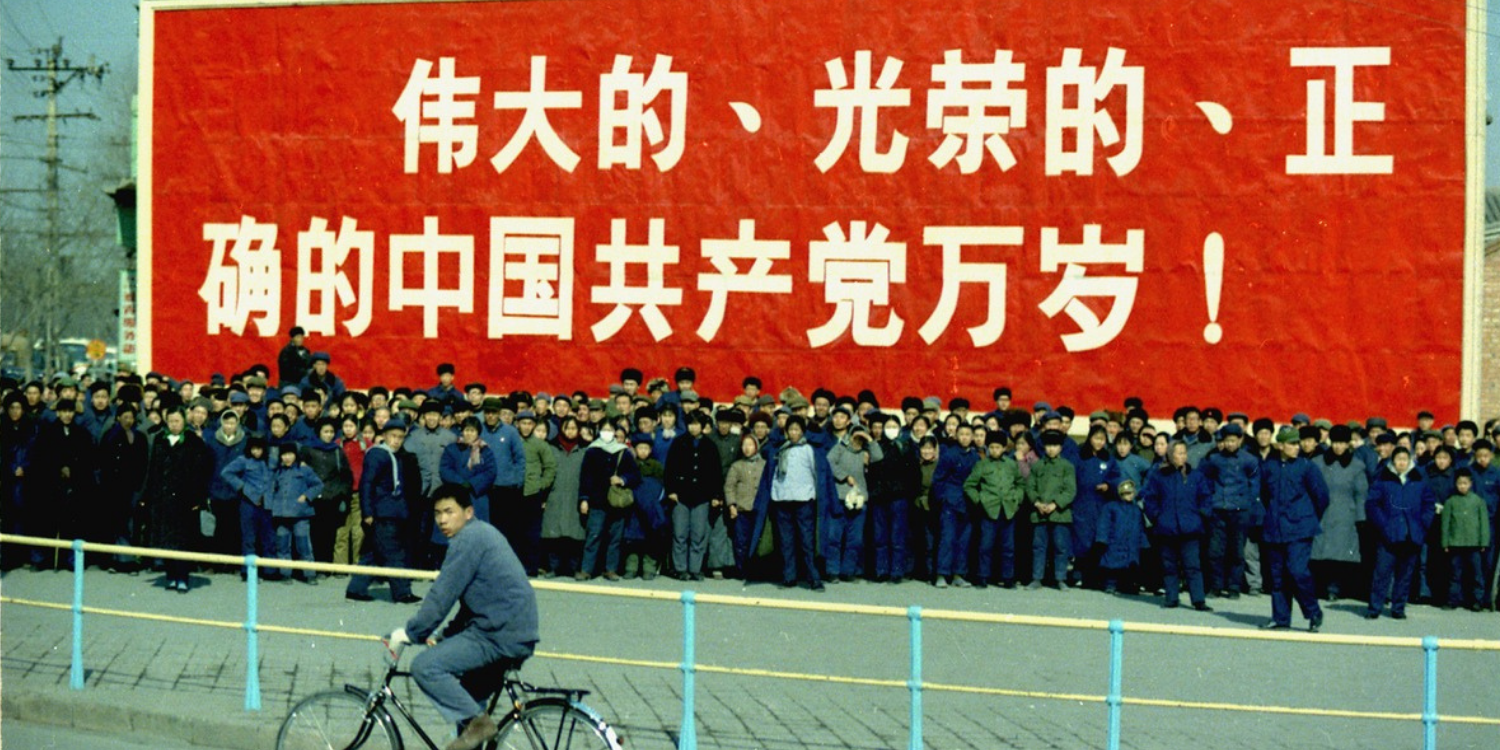
China is very aware of the strength of the movement for Tibet’s freedom. Inside Tibet, it uses repression and violence to try to silence that movement. Outside of China, it uses propaganda.
The children of Tibet face all the challenges of life under occupation and in many cases are full participants in the struggle to resist it, including the ongoing self-immolation protests.
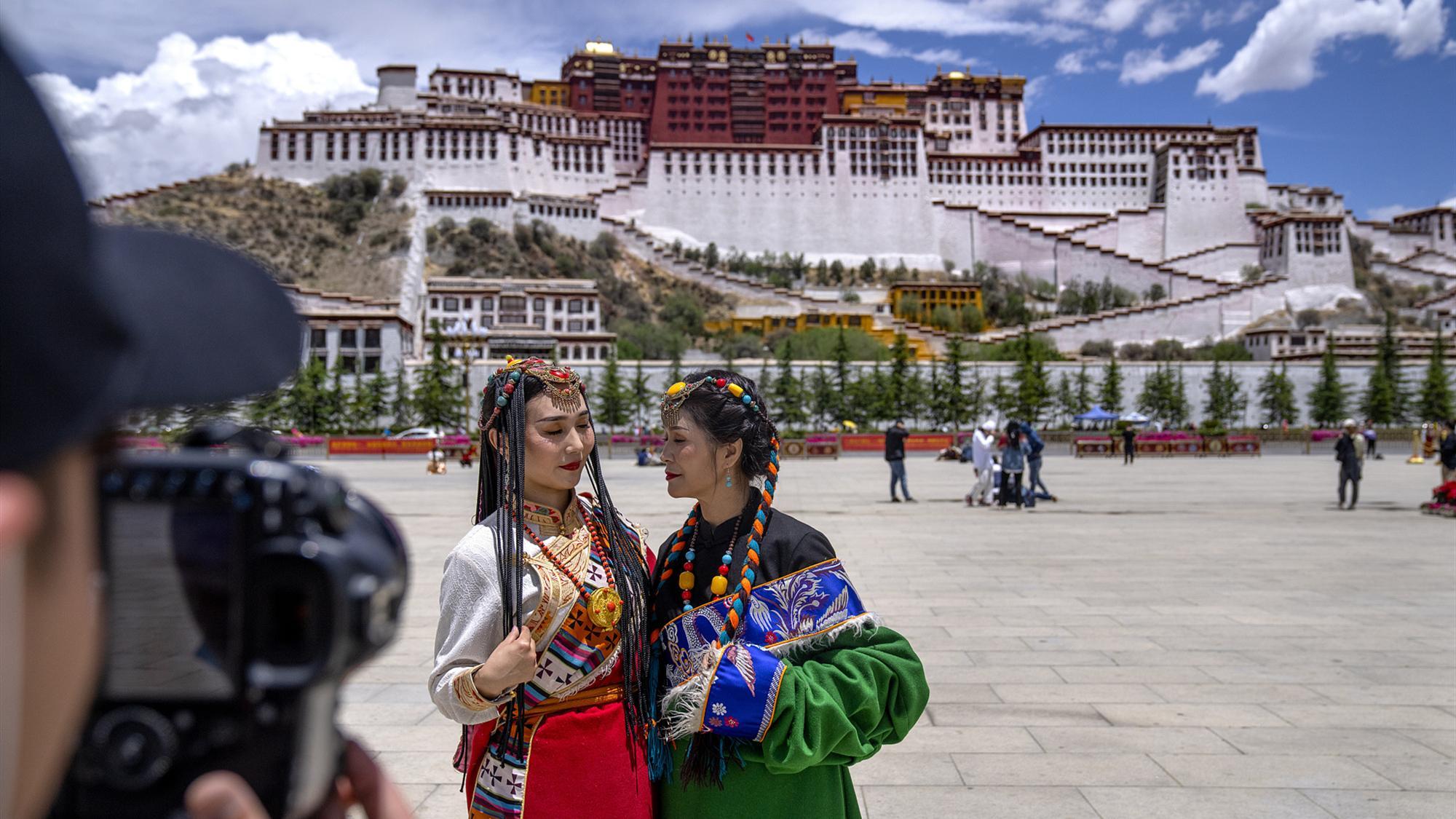
The Chinese government has woken up to the financial value of Tibetan culture, marketing a romanticised version of Tibet to the Chinese tourist market.